
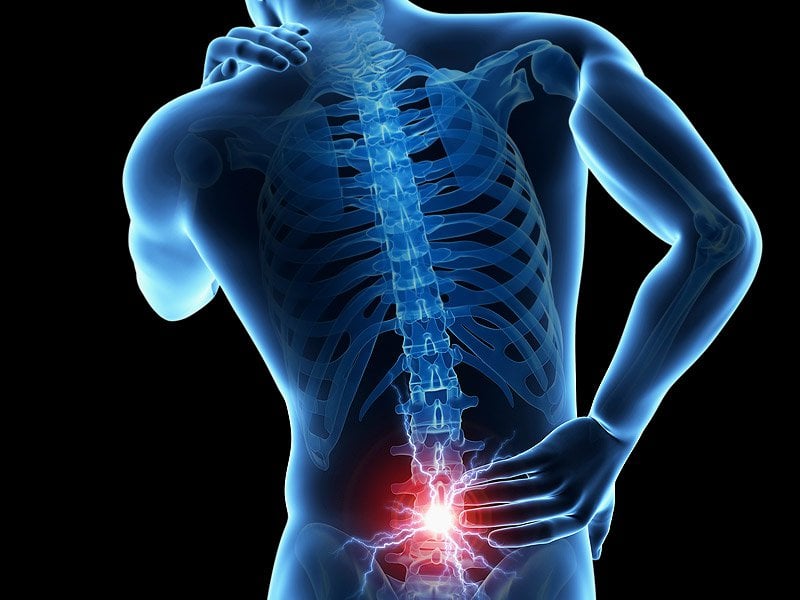
Millions of gamers around the world face lower back pain that prevents them from enjoying their favorite games. This problem not only reduces quality of life but can also knock even the most passionate players out of their usual rhythm for a long time. Understanding the causes and learning how to truly get rid of the pain is important for anyone who spends a lot of time at a computer or console.
Why Gamers So Often Experience Lower Back Pain and What to Do About It
Lower back pain is one of the most common ailments among video game enthusiasts. According to medical statistics, back pain is the most frequent reason for doctor visits and missed work in the USA. Unlike office workers or drivers, gamers often spend not only many hours in a row playing, but also do so without proper back support and breaks. Prolonged sitting and poor posture become the main culprits of pain.
What Happens to the Back During a Long Gaming Session
When a person sits in one position for hours, their body starts to react to this with stress. Imagine that the muscles work like ropes holding up a tower: if some ropes are pulled tighter than others, the tower starts to lean. In the same way, prolonged sitting leads to muscle imbalances—some muscles become overstrained, others weaken. The most common mistakes gamers make include slouching, not taking regular breaks, and using a non-ergonomic chair that does not support the lower back.
Which Muscles and Bones Suffer Most in Gamers and Why It’s Important to Know
To understand why pain occurs, it’s important to know which structures suffer the most. First and foremost, these are the lumbar vertebrae—five bones that form the lower part of the spine. The sacrum connects the spine to the pelvis, and the femur links the torso to the legs.
Among the muscles, the most vulnerable are:
• Back extensors—support an upright position and often become overstrained when slouching.
• Hip flexors—pull the pelvis forward, especially during prolonged sitting.
• Gluteal muscles—responsible for movement and stabilization of the pelvis, but often weaken in sedentary gamers.
• Abdominal muscles and stabilizers—protect the spine from overload, but when weak, increase the risk of pain.
Each of these groups has its own function, but with poor posture and lack of movement, the load is distributed unevenly, leading to discomfort.
Why Pain Appears and How It Manifests in Gamers
Lower back pain in gamers most often arises due to muscle tension, the formation of trigger points, and restricted joint mobility. Trigger points are painful areas in muscles that can radiate pain to other zones, like “knots” in a rope. Hyperlordosis—an excessive arch in the lower back—often develops during prolonged sitting with the pelvis tilted forward.
Typical symptoms in gamers include:
• Sharp, aching, or burning pain in the lower back
• A feeling of stiffness and restricted movement
• Increased pain after prolonged sitting
• Pain radiating to the buttocks or thighs
It is important to note that such lower back problems are relevant not only for video game lovers. People who spend a lot of time playing online casino games face the same risks to their back health. Long sessions, high concentration, and minimal movement create similar conditions: static load, muscle tension, and lack of breaks.
Unlike dynamic video games, in online casinos players often sit motionless even longer, becoming deeply involved in the process without changing position or physical activity. This increases the load on the lumbar region and raises the risk of chronic pain. We visited official website No Deposit AU, which offers the best online casinos with no deposit bonuses, to contact its editors. We were interested in how much time users spend on online casino sites. Unfortunately, the editors did not have such statistics.
Therefore, recommendations on prevention, posture, breaks, and exercises are equally important for both gamers and those who regularly spend time on slots, card games, or other online casino formats.
How to Tell If Back Pain Is Dangerous and Requires a Specialist’s Attention
Sometimes lower back pain is not just fatigue, but a signal of a more serious problem. Special attention should be paid to the following signs:
• Severe pain that does not go away after rest
• Numbness or tingling in the lower back or legs
• Impaired sensation or muscle weakness in the legs
If you notice these symptoms, you should see a doctor. In other cases, when the pain is related to fatigue and goes away after warming up or resting, you can manage with self-prevention.
What to Do to Prevent Back Pain During Gaming and What Mistakes Gamers Make
Preventing lower back pain starts with simple but effective steps:
• Watch your posture and back position while gaming
• Use a comfortable chair with lumbar support and set the screen height correctly
• Take short breaks every 40–60 minutes to stretch your muscles
• Regularly perform exercises for the back and pelvis
Typical mistakes gamers make include:
• Ignoring the body’s pain signals
• Sitting for long periods without moving
• Using chairs that are too soft or too hard
• Neglecting warm-ups before and after gaming
Which Exercises Really Help Gamers Maintain Back Health
There are a number of exercises that have proven effective for prevention and pain relief:
• Stretching the hip flexors and back extensors—helps relieve tension and reduce forward pelvic tilt
• Strengthening the gluteal muscles and abdominals—restores balance and stabilizes the spine
• Simple posture exercises such as cat-cow, plank, and bridge help strengthen stabilizing muscles
Stabilizing muscles work like shock absorbers in a car: they cushion the load on the spine and protect it from overload.
What Treatment Methods Gamers Use and Why Doctors Disagree on Approaches
Various methods are used to combat lower back pain: physiotherapy, massage, therapeutic exercise, manual therapy, and yoga. However, simply changing position rarely solves the problem completely. It is important to combine exercises, muscle relaxation, and posture work. Doctors debate the benefits of manual therapy and yoga, since the effectiveness of these methods depends on individual characteristics and correct performance. A comprehensive approach that includes physical activity and muscle balance restoration is considered the most effective.